
3450 RPM Motors

TLV GT10 PowerTrap mechanical pump with built-in steam trap. Designed to discharge liquid from vacuum or low-pressure areas to high-pressure areas. Motive pressure 0.03 to 1.05 MPaG.
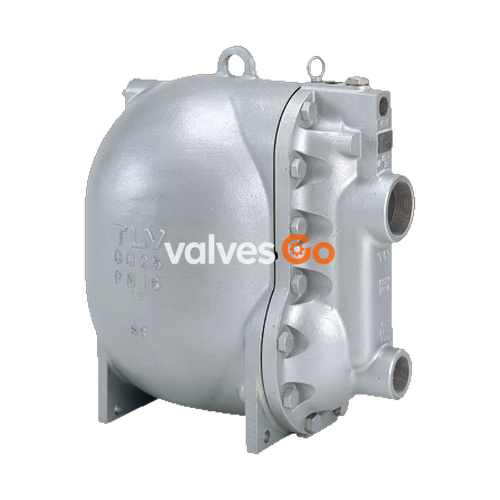
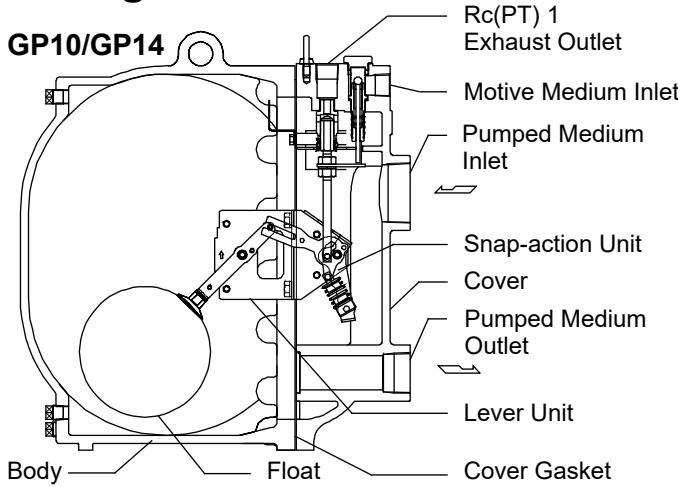
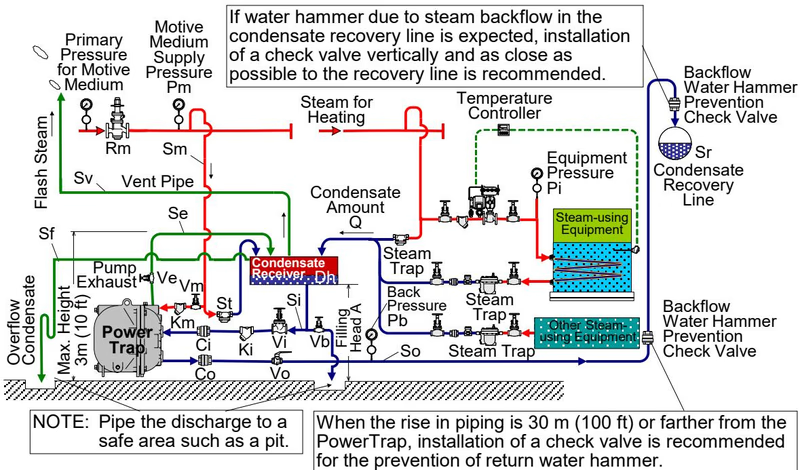
The TLV GT10 PowerTrap is a mechanical pump with a built-in steam trap designed to discharge liquid from vacuum-pressure or low-pressure areas to high-pressure areas, or from lower to higher elevations. The GT model includes an additional steam trap function, making it suitable for instances in which the inlet pressure may alternately be lower than or higher than the outlet pressure. The GP10 model is a standard mechanical pump without the built-in steam trap.
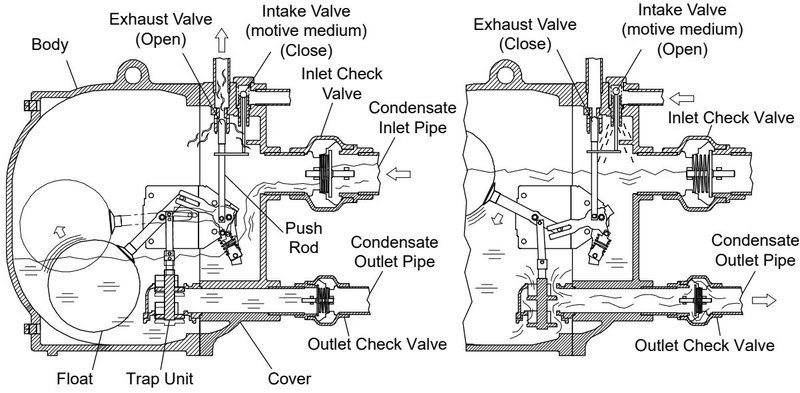
When condensate flows from the condensate inlet pipe through the inlet check valve into the body of the unit, the air in the body escapes through the exhaust valve. This equalizes the internal pump pressure to the pressure of the condensate source, causing the float to rise. In the case of the GT model, the main valve on the trap unit opens as the float rises. When the equipment pressure is greater than the back pressure, the condensate passes through the outlet check valve and is discharged (normal trapping function).
When the float rises to its high level, the push rod on the snap-action unit rises quickly, simultaneously closing the exhaust valve and opening the intake (motive medium) valve. The pressure supplied by the motive medium causes the internal pressure in the unit to become greater than the back pressure. The inlet check valve closes and the outlet check valve is pushed open, discharging the condensate. As the condensate is discharged, the water level drops and the float descends, reverting the system to the initial condensate inflow state.
WARNING
Install properly and DO NOT use this product outside the recommended operating pressure, temperature and other specification ranges. Improper use may result in hazards such as damage to the product or malfunctions.
| Motive Medium Pressure Range | MPaG | barg | psig |
|---|---|---|---|
| GP10 / GT10 | 0.03 to 1.05 | 0.3 to 10.5 | 5 to 150 |
| GP14 / GT14 | 0.03 to 1.4 | 0.3 to 14 | 5 to 200 |
Maximum Allowable Back Pressure: 0.05 MPa / 0.5 bar / 7 psi less than motive medium pressure used (but not to exceed 1.05 MPaG for GP14/GT14).
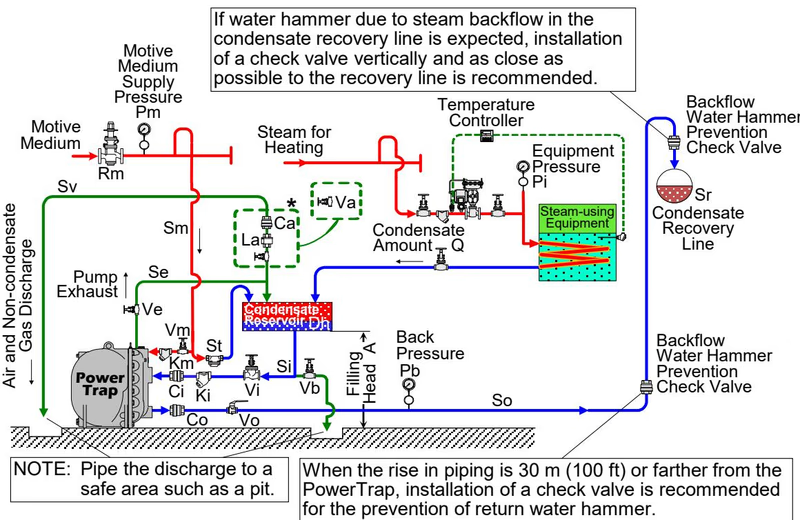
There are two types of delivery systems (piping methods): closed systems and open systems. Use of the GT model or the GP model is determined by the type of system.
DANGER
NEVER apply direct heat to the float. The float may explode due to increased internal pressure, causing accidents leading to serious injury or damage to property and equipment.
Explore similar products in our catalog