
All-Stainless Steel Material

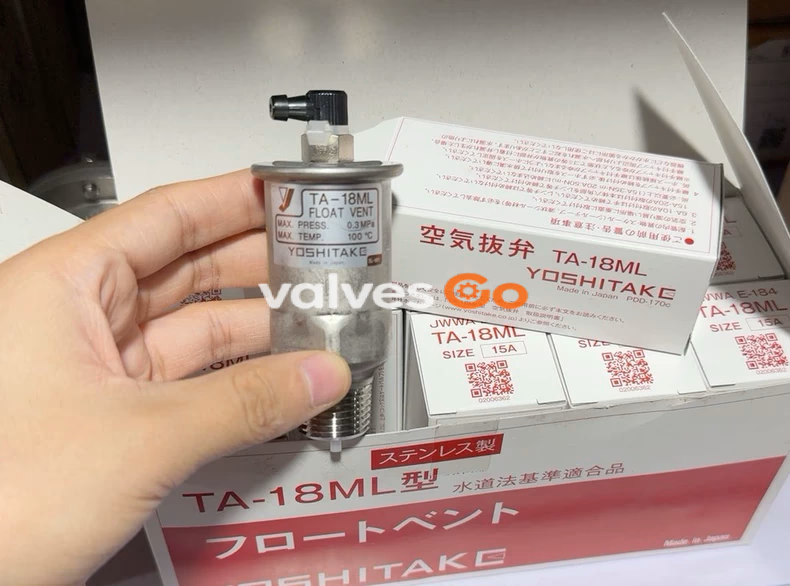
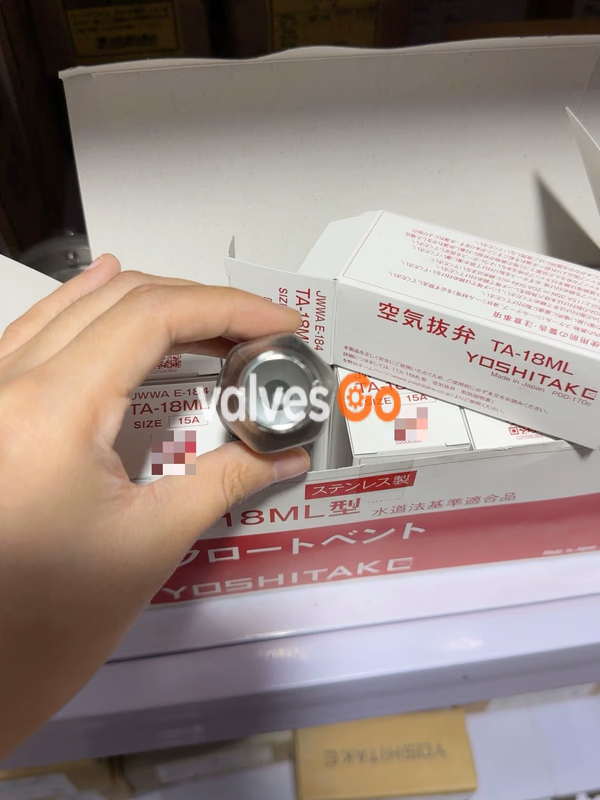
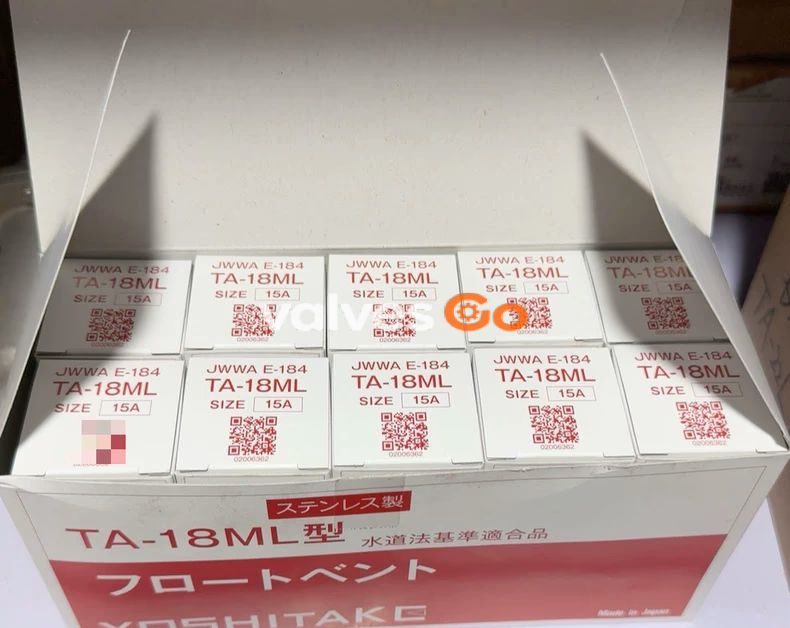
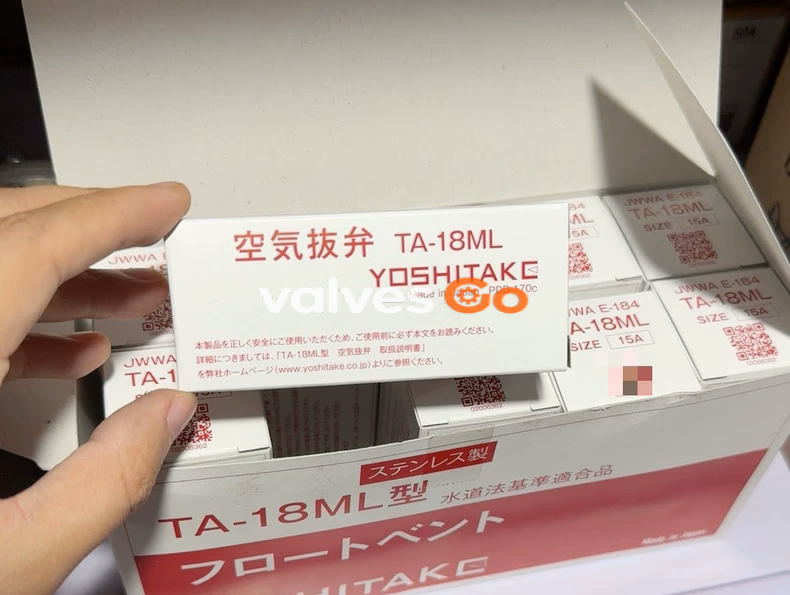
Yoshitake TA-18ML compact float type air vent valve. Stainless steel body, FKM disc. Suitable for cold and hot water up to 100°C, 0.01-0.3 MPa.
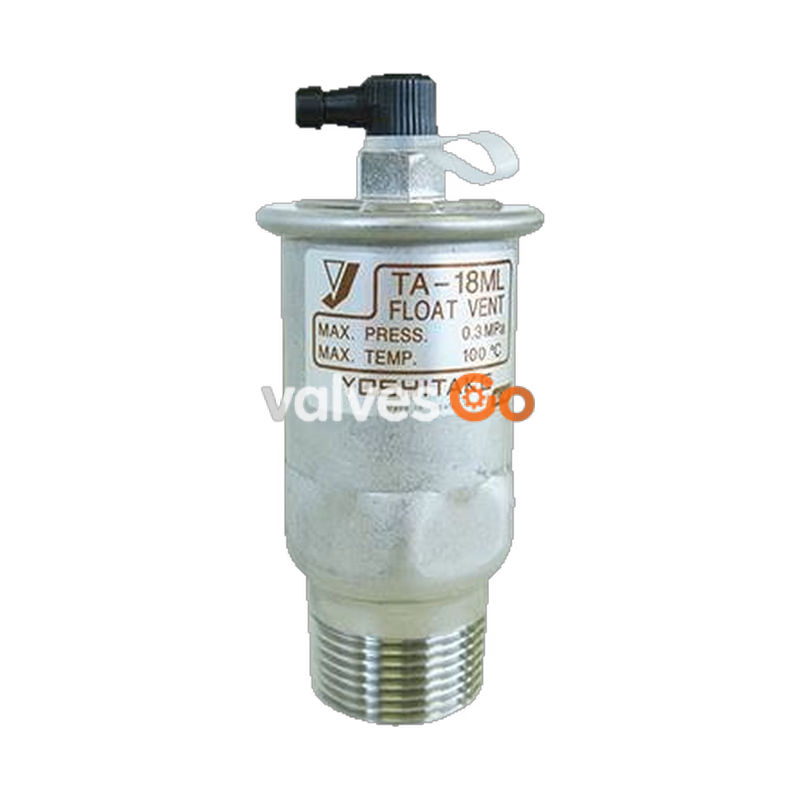
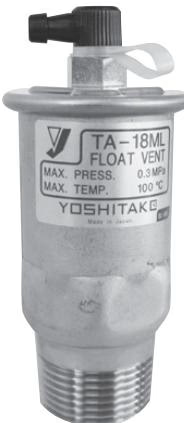
Yoshitake TA-18ML is a compact float-type air vent valve designed to discharge air automatically from piping systems. Its body and cap are made of stainless steel, offering high resistance to corrosion and durability, while the main internal parts (float) are made of heat-resistant synthetic rubber or plastic. The TA-18ML is widely used for hot water boilers, water heaters, and electrical hot water generators.
| Application | Cold and hot water |
|---|---|
| Working pressure | 0.01-0.3 MPa |
| Maximum temperature | 100℃ |
| Body / Cover Material | Stainless steel |
| Float Material | Heat-resistant resin / plastic |
| Disc Material | FKM (fluororubber) |
| Connection Inlet | JIS R (Rc) thread |
| Connection Outlet | Hose joint type (Hose joint Φ6) |
Note: Some internal parts and the valve seat are made with brass.
| Nominal size | d | H (mm) | Weight (kg) |
|---|---|---|---|
| 6A | R(c) 1/8 | 83 | 0.12 |
| 10A | R(c) 3/8 | 87 | 0.13 |
| 15A | R(c) 1/2 | 89 | 0.13 |
| 20A | R(c) 3/4 | 89 | 0.13 |
| No. | Parts name |
|---|---|
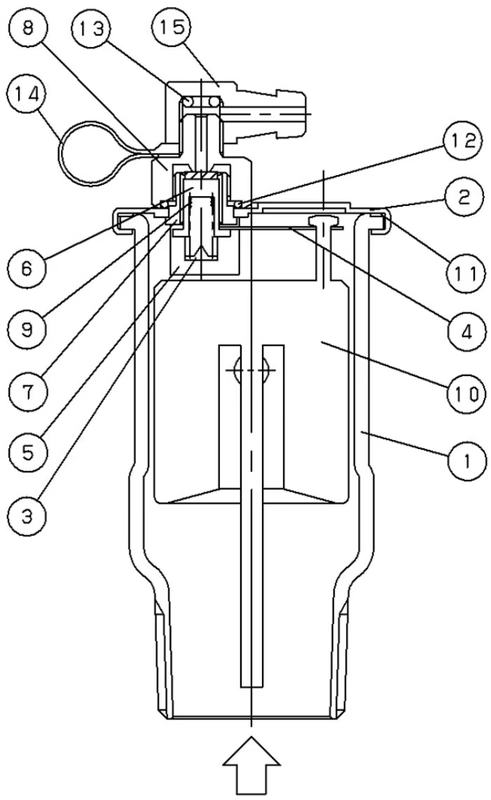
| 1 | Body |
| 2 | Cover |
| 3 | Spring tray |
| 4 | Lever |
| 5 | Hanger metal |
| 6 | Valve disc |
| 7 | Guide |
| 8 | Valve seat |
| 9 | Spring |
| 10 | Float |
| 11-13 | O Ring |
| 14 | Stopper |
| 15 | Elbow cap |
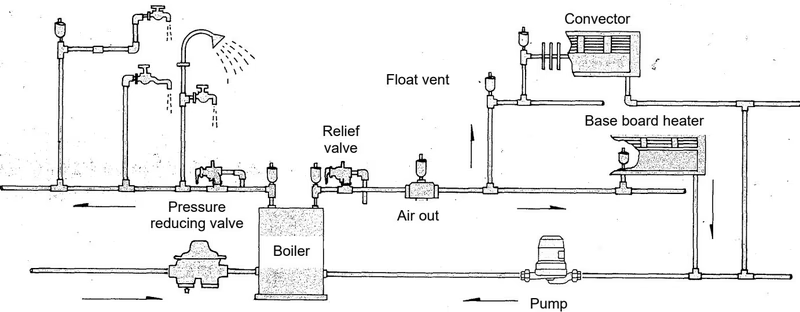
Using this product in combination with an Air Out (air separator from water) type AO-2 makes the efficiency of air discharge higher.
WARNING
When hot water is used, fluid leakage may cause burns or contamination in the area where the product is installed. Always ensure safety measures are in place.
Installation Tips
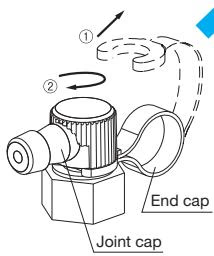
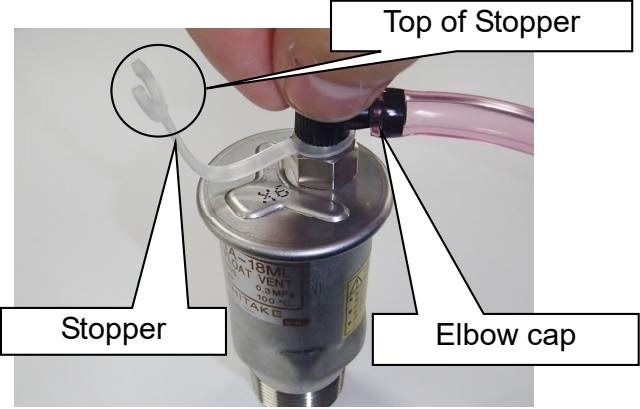
If fluid leaks because foreign substances exist on the valve disc and seat, leakage from the elbow cap may happen. As an immediate action, remove the top of the cap and tighten the elbow cap to stop the leakage.
To maintain function and performance, carry out regular inspections.
DANGER
Completely discharge internal pressure of the product, piping, and equipment, and cool down the product prior to disassembling or maintenance in case of high-temperature fluid.
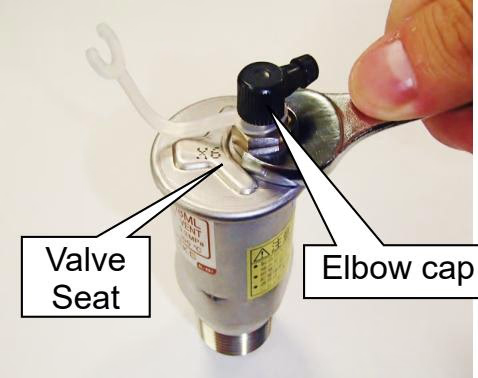
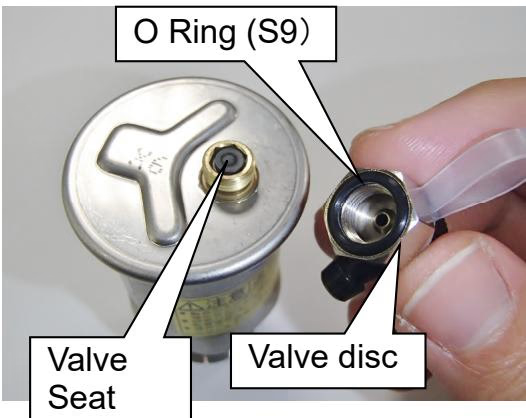
Note: The O-ring and elbow cap are consumable parts.
Yoshitake Air & Gas Vents
TA, TAV, and VB series air and vacuum valves for automatic venting, rapid air release, and vacuum protection.
Explore similar products in our catalog